Anatomy of a Kitchen Knife
Know your knife. Sharpen with confidence.
Understanding the parts of a knife helps you describe the work you need done and helps us sharpen, repair, and maintain your knives properly.
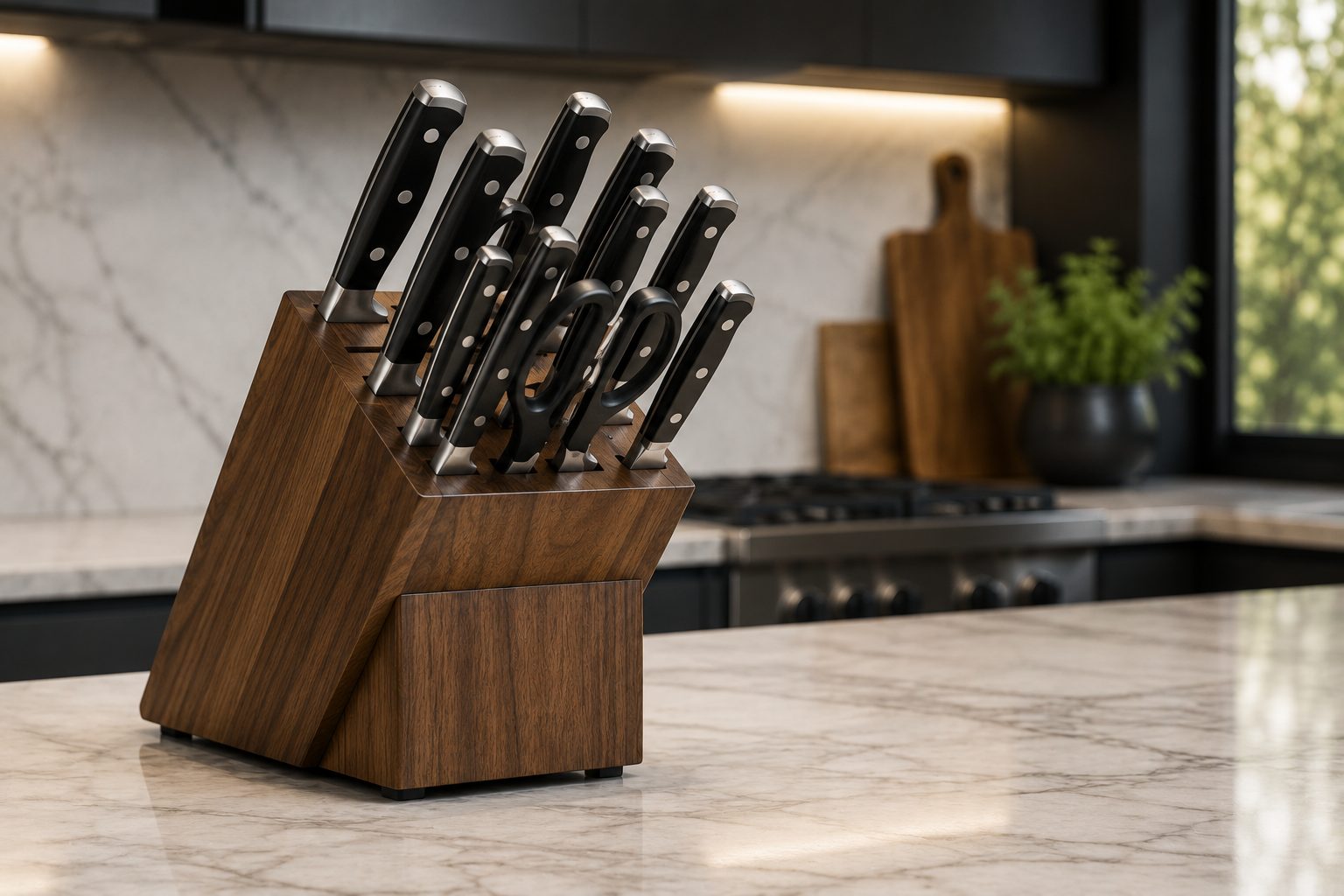
Parts of a Knife
Most kitchen knives share the same basic anatomy. The shape, thickness, handle design, and edge geometry may vary, but these terms make it easier to talk about performance, sharpening, comfort, and repair.
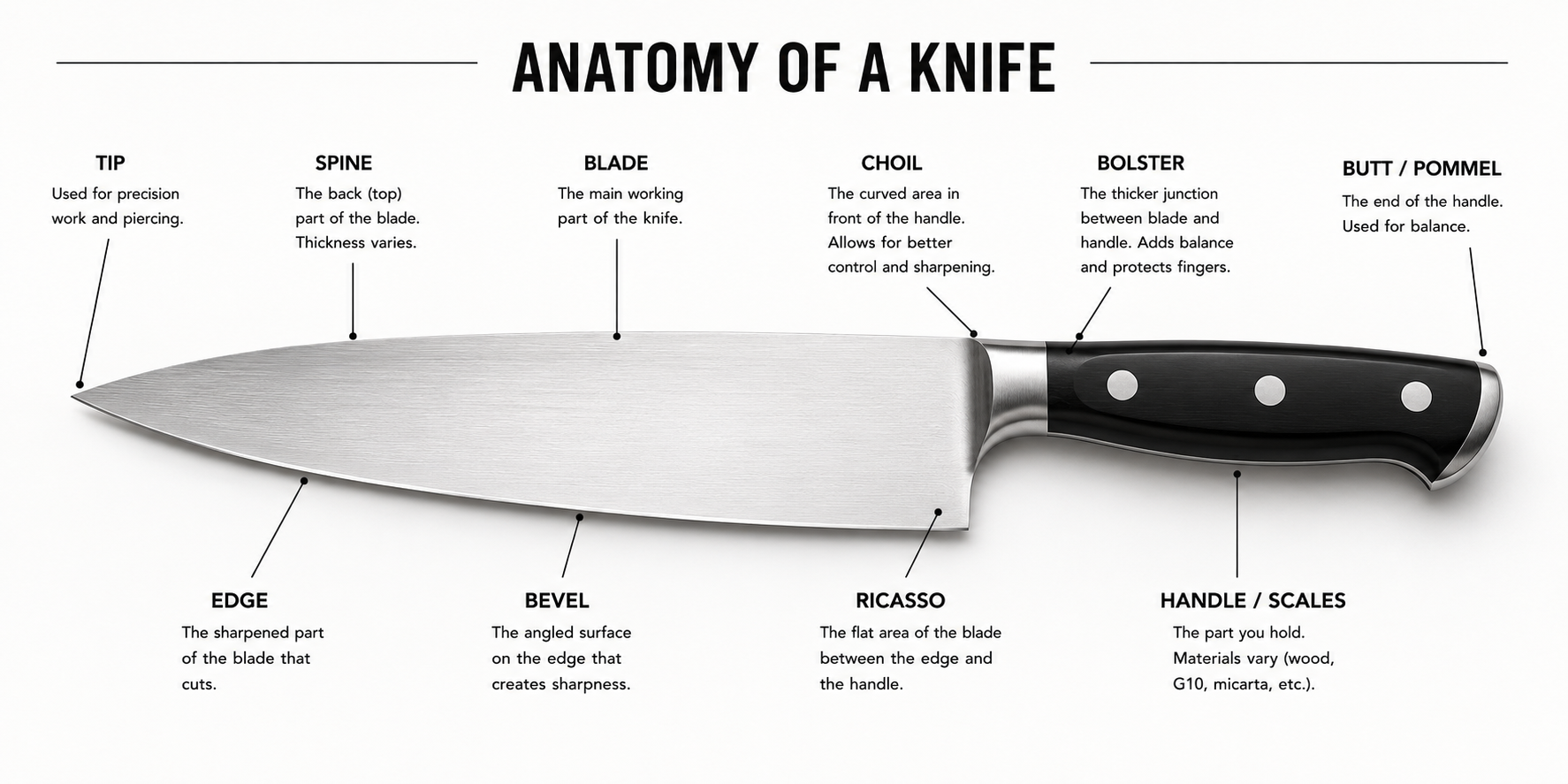
Tip
The pointed end of the blade. Used for precision work, piercing, and detail cuts.
Spine
The back or top of the blade. Spine thickness often affects weight and blade feel.
Blade
The main working portion of the knife, including the cutting edge and blade face.
Edge
The sharpened part of the blade that does the cutting.
Bevel
The angled surface that forms the cutting edge. Bevel angle affects sharpness and durability.
Choil
The curved area where the blade transitions toward the handle. It can affect sharpening access and grip comfort.
Ricasso
The flat, unsharpened area between the edge and handle on some knives.
Bolster
The thicker junction between blade and handle. It can add balance, strength, and finger protection.
Handle / Scales
The part you hold. Handle material may be wood, polymer, G10, micarta, stainless steel, or composite.
Butt / Pommel
The end of the handle. It can influence balance and grip feel.
Common Kitchen Knife Styles
Kitchen knives are designed around specific tasks. A good sharpening approach considers what the knife is used for, how thin the blade is, and how durable the edge needs to be.
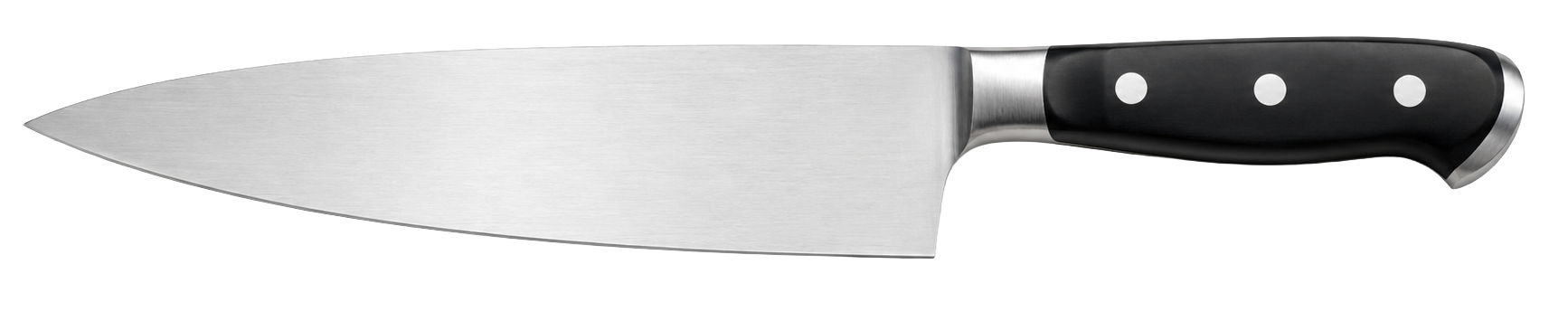
Chef Knife
The all-purpose workhorse for slicing, dicing, chopping, and general prep.
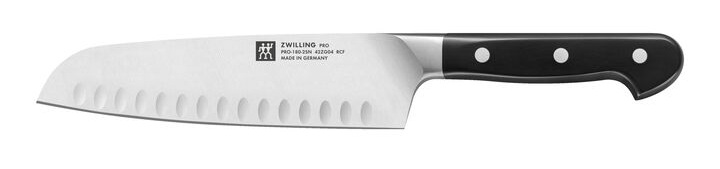
Santoku
A versatile Japanese-inspired kitchen knife for slicing, dicing, and mincing.

Paring Knife
Small and precise. Excellent for peeling, trimming, and detail work.

Utility Knife
A mid-sized knife for smaller kitchen tasks and everyday use.

Bread Knife
A serrated edge designed to slice through crusty breads without crushing them.

Boning Knife
A narrow blade for removing meat from bones and trimming protein.

Fillet Knife
Long, narrow, and flexible for fish and delicate cuts.
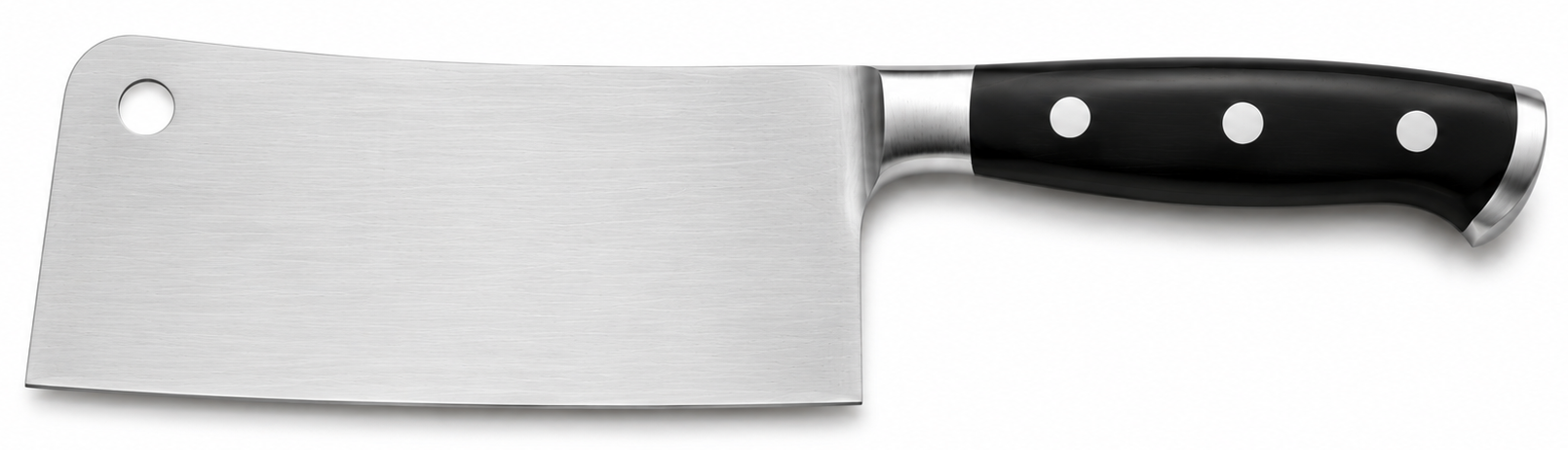
Cleaver
A heavier blade for chopping through tougher ingredients and bones.
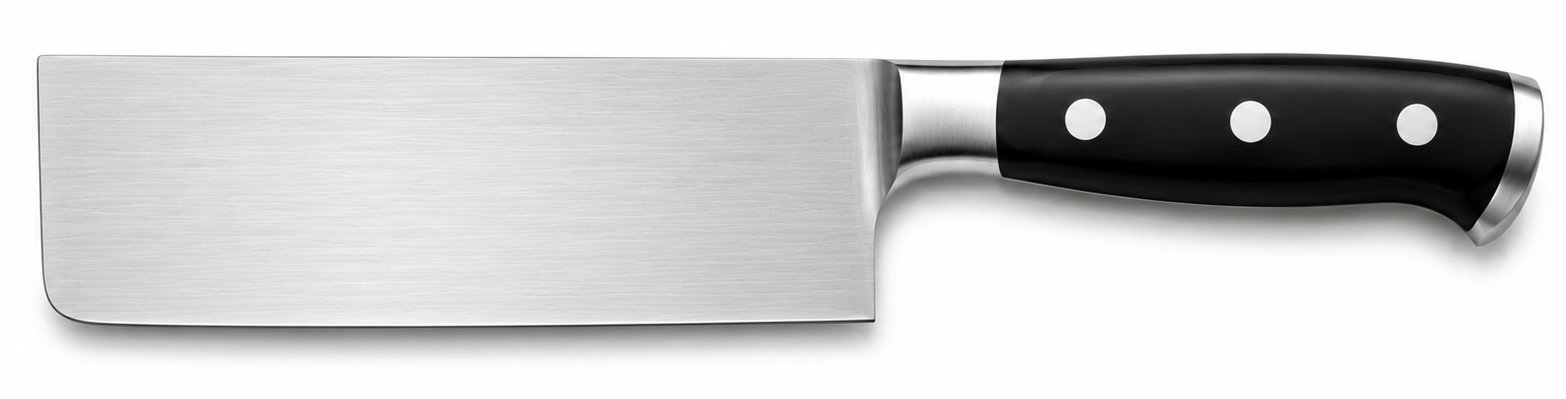
Nakiri
A vegetable knife with a straighter edge for clean, efficient cuts.
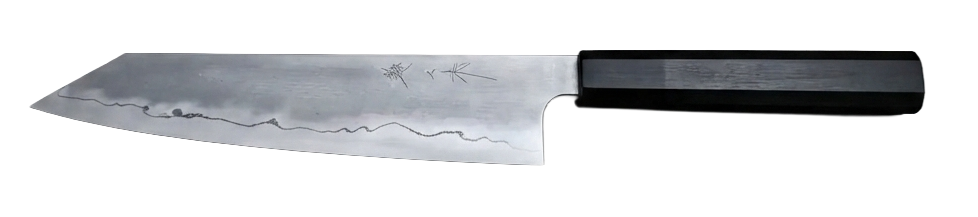
Kiritsuke
A Japanese-style multipurpose knife with a piercing tip and flatter edge profile.

Steak Knife
Serrated or straight-edged table knives used for cooked meats.

Pocket Knife
Not a kitchen knife, but a common everyday blade we may sharpen depending on condition and style.
Common Blade Shapes
Blade shape affects how a knife cuts, how strong the tip is, and what tasks the knife handles best. Kitchen knives usually favor slicing and control, but many customers also bring outdoor, pocket, and utility knives for sharpening.
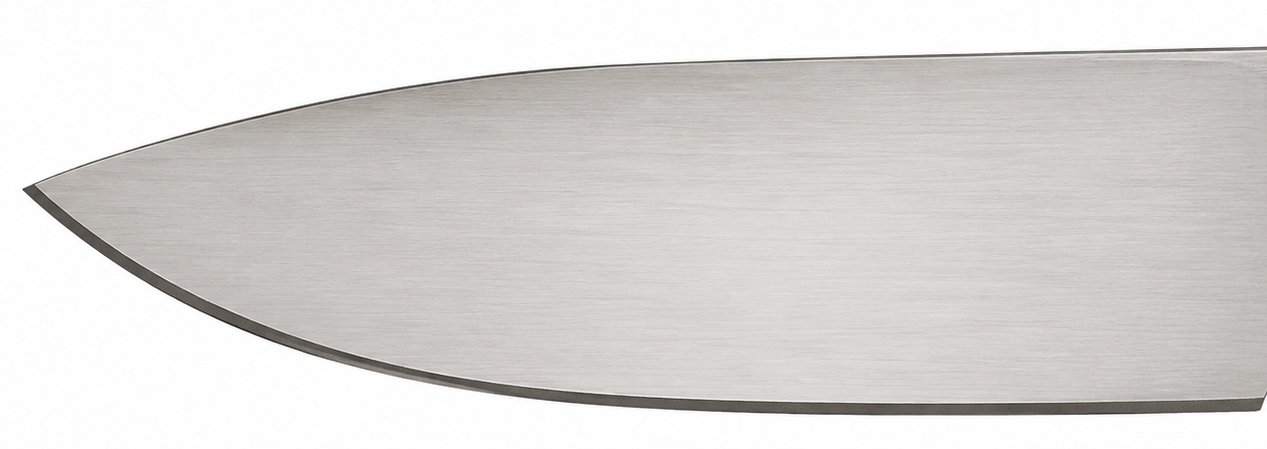
Drop Point
A strong, versatile shape with a useful belly for slicing. Common on hunting, outdoor, and everyday carry knives.
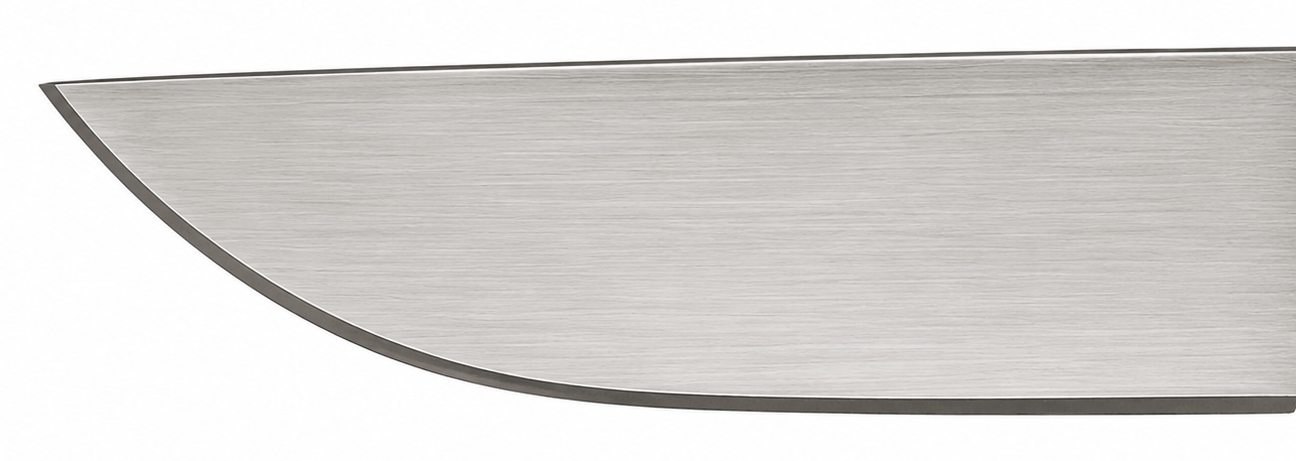
Straight Back
A traditional blade shape with a straight spine and curved cutting edge. Useful for slicing, carving, and general utility work.
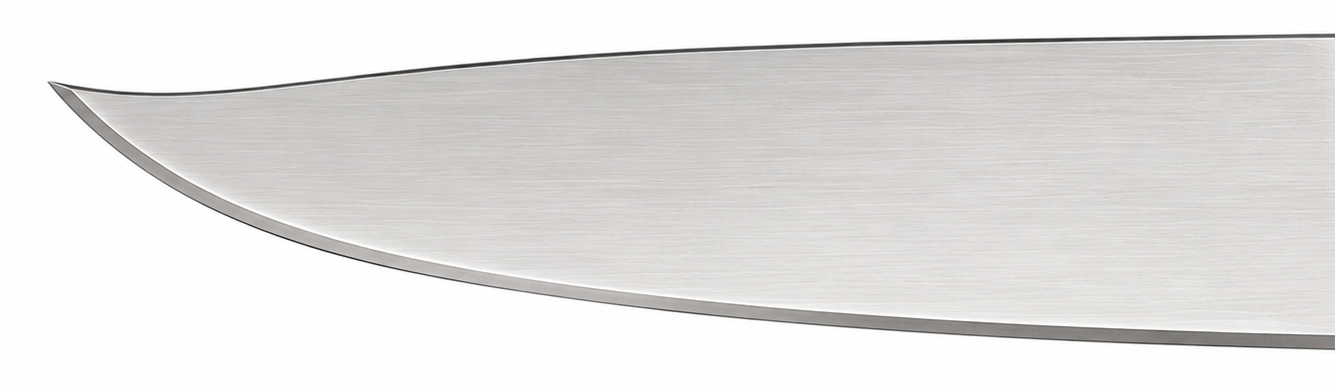
Clip Point
A clipped spine creates a finer tip for detail work and piercing. Often found on pocket knives and classic outdoor knives.
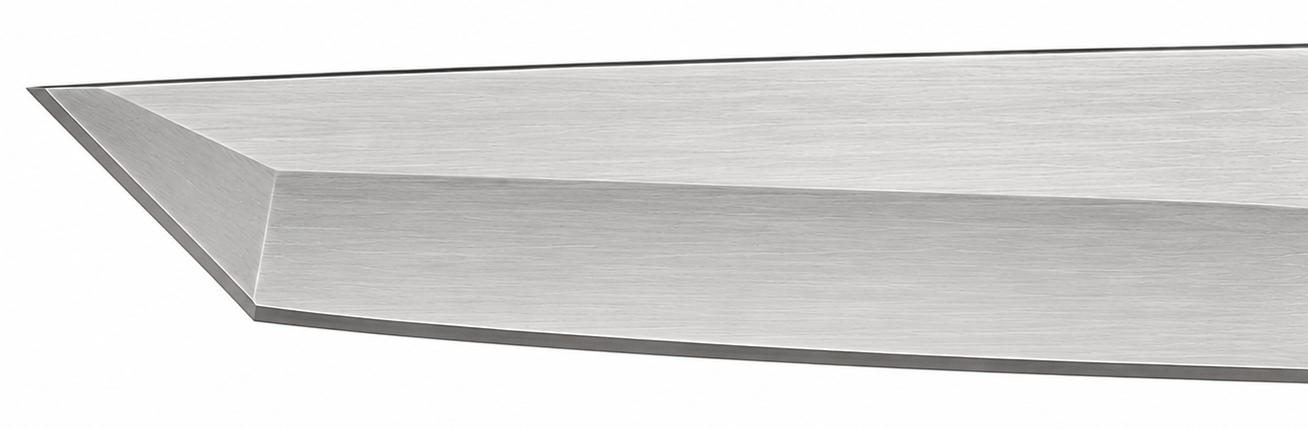
Tanto
An angular blade with a reinforced tip. Often chosen for durability and controlled point work.
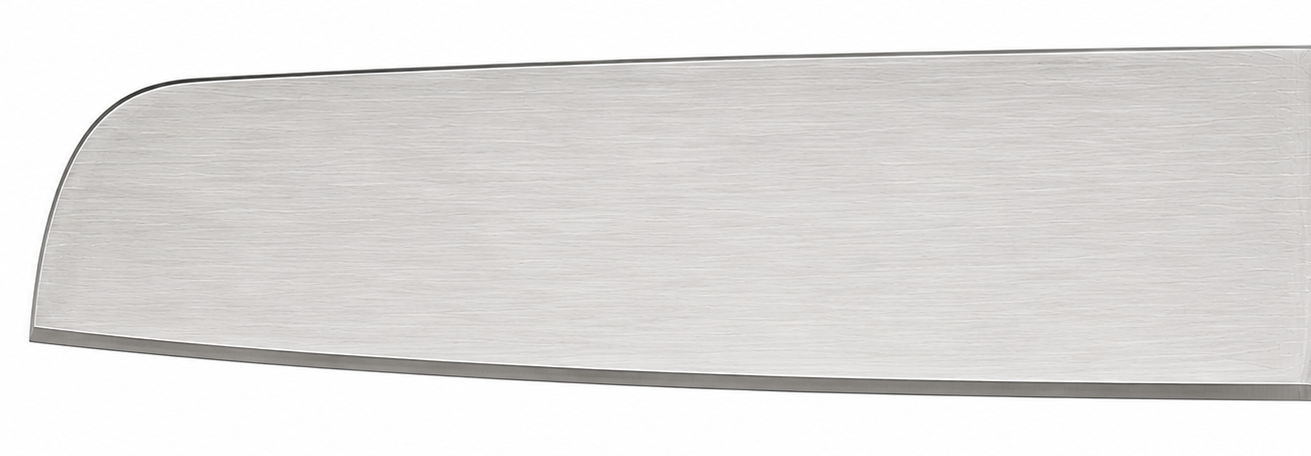
Sheepsfoot
A straight cutting edge with a rounded, lowered tip. Good for controlled slicing where puncturing is not desired.
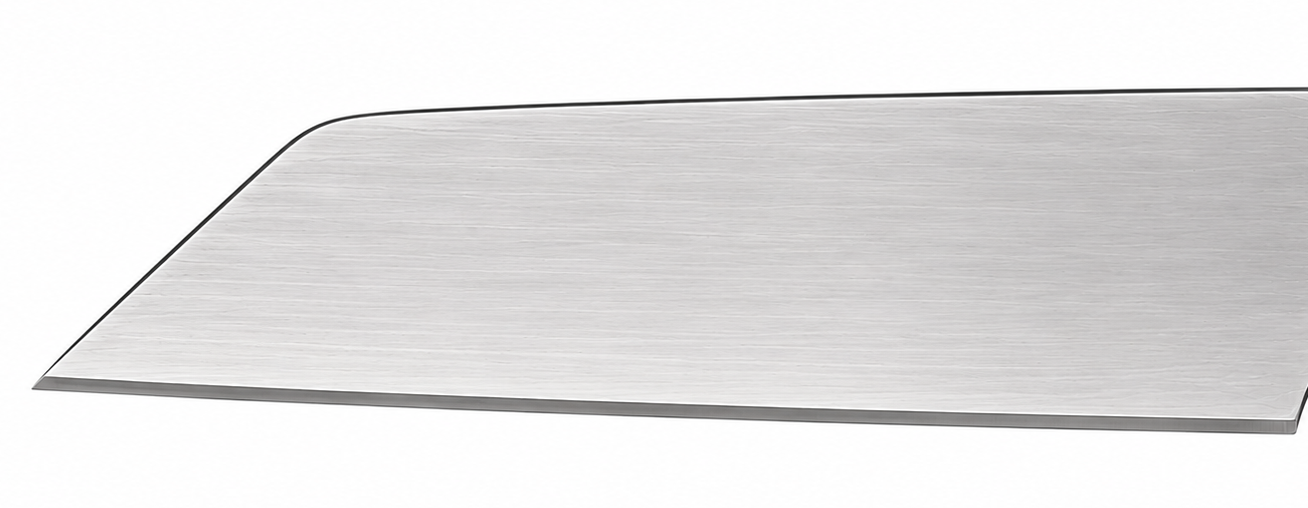
Wharncliffe
A straight edge with a tip that drops down from the spine. Excellent for precise, controlled cuts.
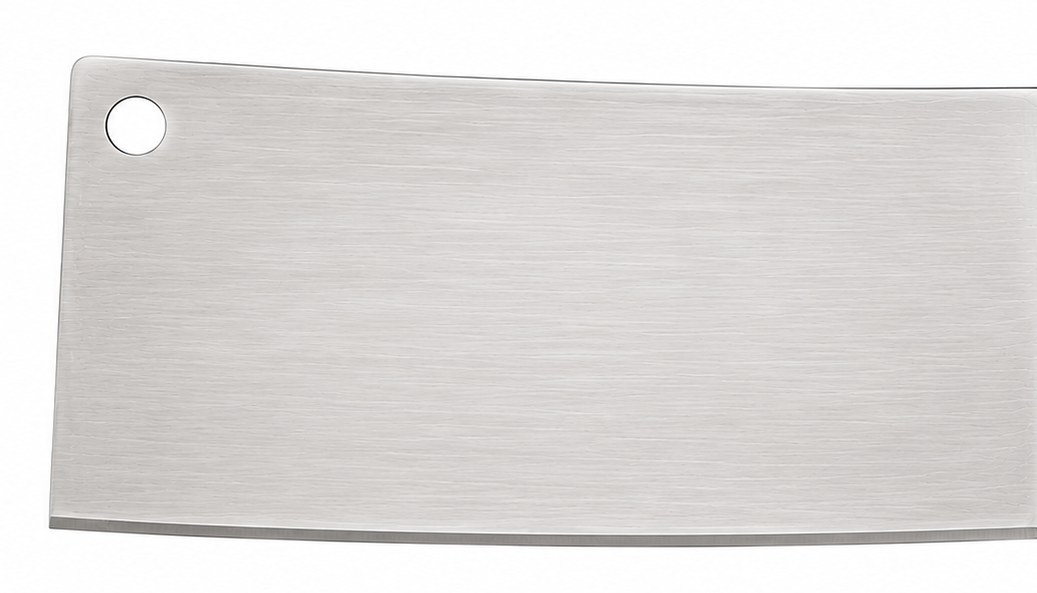
Cleaver
A broad, durable shape used on kitchen cleavers and some utility blades. Built for chopping, durability, and tough material.
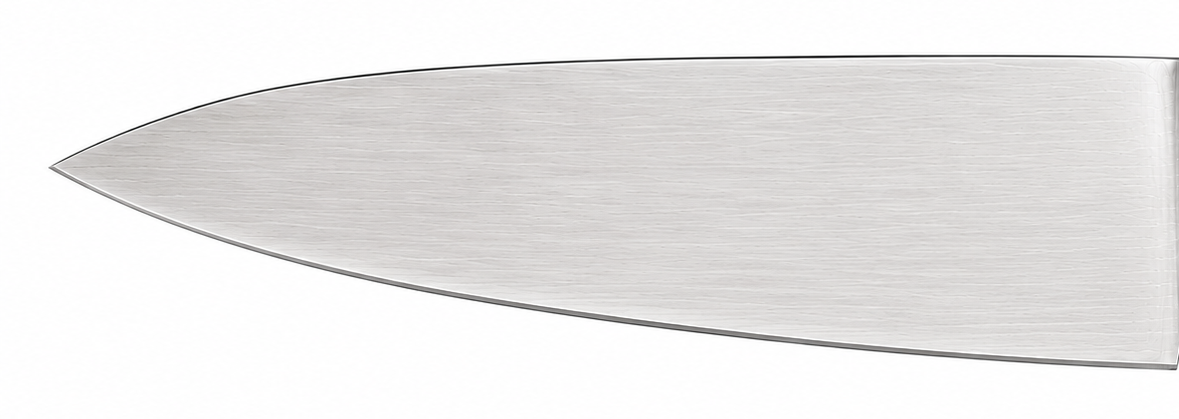
Spear Point
A balanced profile with a centered tip. Often used where point control and clean alignment matter.
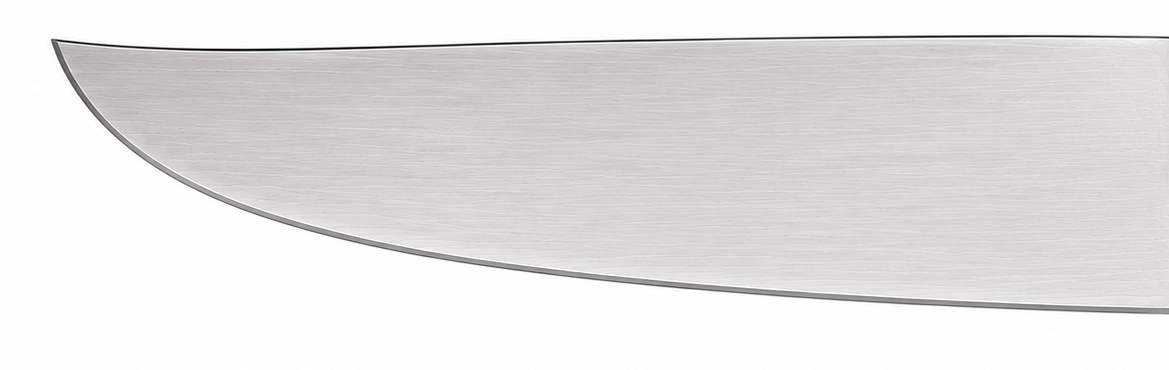
Trailing Point
An upswept tip and long belly make this shape useful for slicing, trimming, and skinning-style cuts.
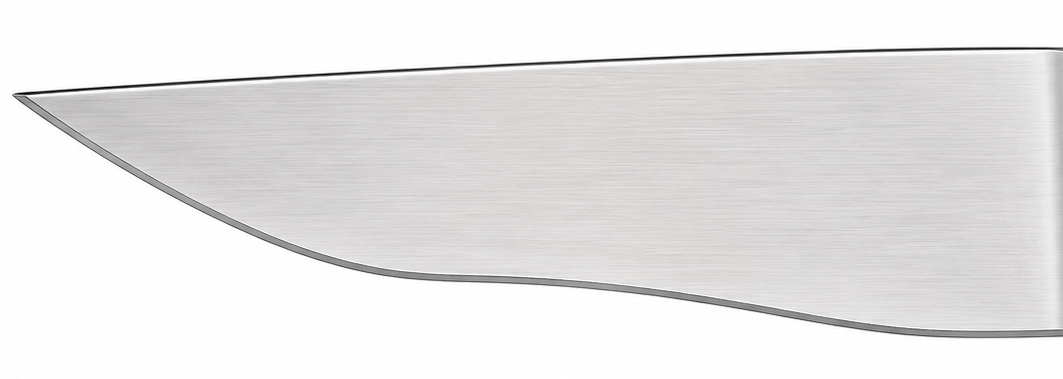
Recurve
An inward curve adds cutting length and bite. It can slice aggressively, but it is more challenging to sharpen properly.
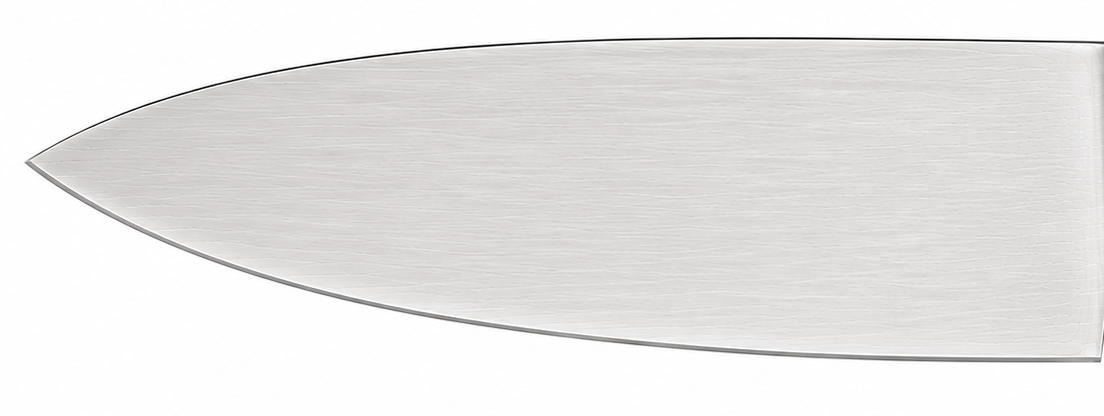
Leaf Shape
A wide, balanced profile with a strong tip and generous belly. Good for slicing and everyday utility tasks.
Sharpening Angles
There is no single perfect angle for every knife. A thinner angle can feel extremely sharp, but a wider angle is usually more durable. The right choice depends on the knife, steel, blade thickness, and how it will be used.
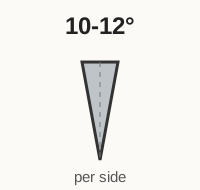
10° – 12°
Very fine slicing edges. Best for delicate, low-impact work.
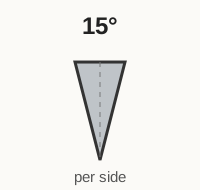
15°
Very sharp with good balance for many kitchen knives.
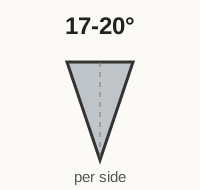
17° – 20°
A durable, practical range for many everyday kitchen knives.
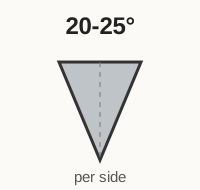
20° – 25°
More durable for tougher use, heavier blades, and utility knives.
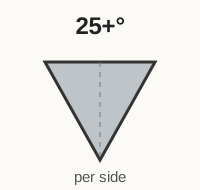
25°+
Very durable. Common for cleavers, axes, and hard-use edges.
A Well-Maintained Knife
Stays Sharper, Longer
Regular maintenance keeps your knife performing at its best and may reduce the amount of metal removed during sharpening.
Safer to Use
A sharp knife is more predictable, requires less force, and is easier to control.
Built to Last
Proper care helps prevent damage, corrosion, chips, and premature wear.
References
The following sources were used in preparing and supporting this article.
Japanese Chef Knife Catalog and Sharpening Guide
Korin
korin.com
Knife Steels Rated by a Metallurgist
Knife Steel Nerds
knifesteelnerds.com
Six Tips to Sharpen and Maintain Your Knives
Work Sharp
worksharptools.com