Set a Knife Maintenance Reminder
A recurring calendar reminder can prompt you to inspect your knives, check cutting performance, clean storage, and arrange sharpening before problems become severe.
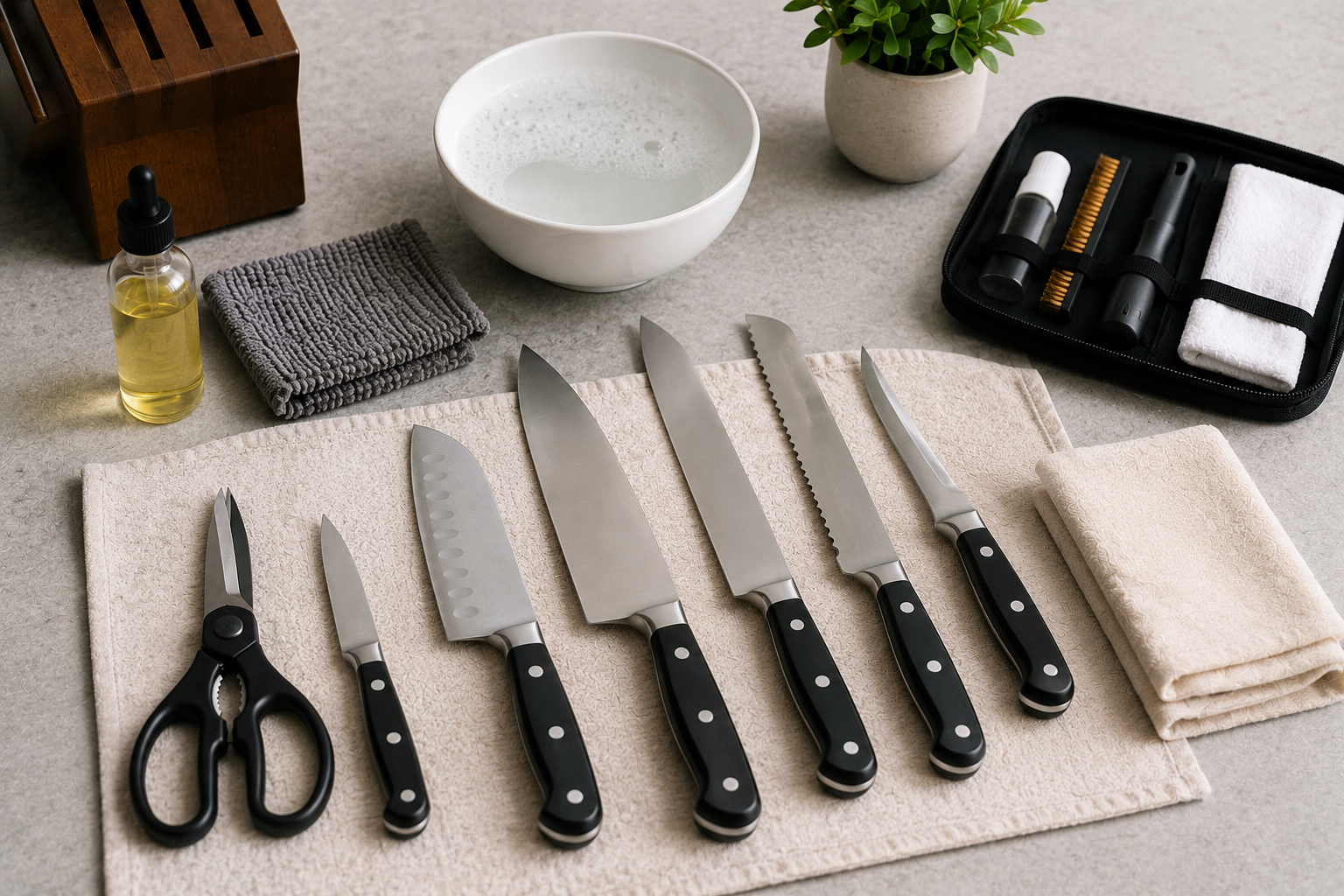
Knife maintenance is easy to postpone because dullness and damage develop gradually. A simple calendar reminder creates a regular opportunity to inspect each knife and decide whether it is ready for use, needs sharpening, requires repair, or should be removed from service.
The Practical Idea
Put a recurring reminder on your calendar to inspect your kitchen knives. The reminder is not an automatic sharpening date—it is a prompt to check performance and arrange sharpening or repair when the knives actually need it.
Why a Reminder Helps
Knife performance usually declines gradually. Because the change happens over many meals, it can be difficult to notice until the knife begins slipping, crushing food, or requiring much more pressure.
A calendar reminder interrupts that gradual decline and creates a moment to inspect the entire collection.
New Year’s Day is one easy date to remember, but any recurring date can work.
Choose a Reminder That Fits Your Kitchen
The reminder should match how often the knives are used.
Once or Twice a Year
Light Home UsePros
Simple and easy to remember.
Cons
High-use knives may need attention before the next reminder.
Best For
Households that cook occasionally and notice performance changes between inspections.
Every Three or Four Months
Frequent CookingPros
Catches gradual dullness, rust, storage problems, and handle issues earlier.
Cons
Still requires attention whenever performance changes between reminders.
Best For
Households that cook most days or use several knives regularly.
What the Calendar Entry Should Say
A useful calendar entry might read:
“Inspect kitchen knives and storage. Check cutting performance. Set aside knives needing sharpening or repair.”
That wording is better than simply writing “Sharpen knives,” because not every knife will need service on the same date.
Give Every Knife a Next Step
Ready for Use
Clean, dry, secure, undamaged, and cutting effectively.
Needs Sharpening
Dull, rounded, inconsistent, or no longer improved by appropriate honing.
Needs Repair
Chipped, rusted, uneven, or damaged at the tip or profile.
Remove From Service
Cracked blade, loose handle, severe corrosion, significant bend, or another structural concern.
Clean or Protect
Food residue, moisture, rust risk, or carbon steel needing appropriate protection.
Needs Better Storage
A useful knife that does not fit safely in the current block, rack, drawer, or guard.
Inspect More Than the Edge
Use bright light and examine the entire knife.
• Check the edge for chips, rolls, flat spots, and uneven wear.
• Inspect the tip for bending or breakage.
• Look for rust, pitting, cracks, or dried residue.
• Check the handle for looseness, swelling, gaps, or cracks.
• Confirm that rivets, screws, scales, and bolsters remain secure.
• Remove structurally damaged knives from use.
A sharp edge does not make a knife safe when the blade or handle is unreliable.
Test Cutting Performance Safely
A knife can look acceptable while cutting poorly.
Use a controlled test that reflects the knife’s intended job.
• Check whether a chef’s knife begins cutting tomato, pepper, or onion skin without slipping.
• Confirm that the edge cuts consistently from heel to tip.
• Notice whether herbs are sliced or crushed.
• Check whether a carving knife slices protein without tearing.
• Confirm that a bread knife enters crust without heavy pressure.
Do not slide a finger along the edge to test sharpness.
Do Not Wait for the Reminder When a Problem Appears
The calendar is a backup system, not a reason to keep using a dull or damaged knife. Arrange service whenever cutting performance declines or damage becomes visible.
Set Aside Knives for Sharpening
Once a knife is identified as needing service:
• Clean and dry it completely.
• Protect the edge with a fitted guard or secure wrapping.
• Keep it separate from knives that are ready for use.
• Note any chips, broken tips, rust, or handle concerns.
• Arrange sharpening before the knife becomes severely dull or damaged.
OSHA recommends keeping knives sharpened and in good condition because dull knives tend to slip.
Clean the Storage System Too
Knife blocks, racks, organizers, guards, and rolls can collect crumbs, grease, dust, moisture, and residue.
• Empty the storage system.
• Clean it according to its material.
• Inspect for cracks, loose mounting, poor fit, and trapped debris.
• Allow it to dry completely.
• Return only clean, dry, serviceable knives.
Never place a damp knife into a block, guard, sheath, organizer, or roll.
Record the Service Date
A simple note can help reveal how long useful performance lasts.
Record:
• The knife or knife type.
• The inspection date.
• The sharpening or repair date.
• Any chips, rust, broken tips, or handle concerns.
• Whether the knife was repaired, replaced, or retired.
Then schedule the next inspection reminder.
The goal is not to sharpen by the calendar. The goal is to make sure inspection is not forgotten.
A Simple Reminder Routine
1. Open your calendar.
2. Create a recurring reminder every three, six, or twelve months.
3. Name it “Inspect kitchen knives and storage.”
4. Inspect every active knife.
5. Test cutting performance safely.
6. Separate knives needing sharpening, repair, replacement, or different storage.
7. Arrange service when needed.
8. Record what was done and keep the next reminder.
Key Takeaways
Schedule Inspection
Use a recurring calendar reminder so gradual dullness and damage are not overlooked.
Sharpen by Condition
- The reminder prompts inspection
- actual service should depend on performance and condition.
Act Before Neglect
Early sharpening, cleaning, repair, and storage correction are easier than restoring severe damage.
References
The following sources were used in preparing and supporting this article.
Young Worker Safety in Restaurants: Food Preparation
Occupational Safety and Health Administration
osha.gov
Food Services: Kitchen Equipment
Occupational Safety and Health Administration
osha.gov
How to Sharpen Your Knives
ZWILLING
zwilling.com
How to Clean and Care for Your Knife
ZWILLING
zwilling.com